A Professional's Take on the New Z85A OLED
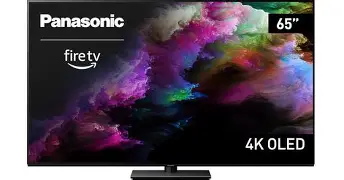
The landscape of premium home cinema and high-performance gaming displays has undergone a significant shift with the introduction of the Z85A OLED. For professionals in the audiovisual industry, the arrival of a new OLED tier represents more than just a marginal update in specifications; it signifies a refinement of the delicate balance between panel luminosity, color accuracy, and processing sophistication. The Z85A OLED enters a market that is increasingly crowded with competing technologies like Mini-LED and QD-OLED, yet it carves out a distinct niche by doubling down on what makes traditional OLED technology so beloved—perfect black levels, infinite contrast, and an organic image quality that remains difficult to replicate.
As consumers transition from standard LED-LCD sets to the upper echelons of display technology, their expectations have evolved. It is no longer enough to offer a "good" picture. Modern buyers demand HDR performance that can handle the brightest specular highlights without losing detail in the shadows, gaming features that rival dedicated monitors, and a professional-grade calibration out of the box. In this detailed analysis, the Z85A OLED is evaluated through the lens of a professional who prioritizes reliability, color fidelity, and the long-term viewing experience over mere marketing buzzwords.
The Evolution of the OLED Panel and Processing
At the heart of the Z85A OLED is the latest iteration of self-emissive technology. While much of the industry conversation has been dominated by Micro Lens Array (MLA) and Quantum Dot enhancements, the Z85A focuses on a high-efficiency panel architecture that delivers impressive brightness without compromising the longevity of the organic materials. For the professional viewer, the "pumping" or fluctuating brightness typical of lesser OLED displays is noticeably absent here. This stability is largely attributed to the advanced silicon driving the panel—a dedicated AI-enhanced processor that manages power distribution at the sub-pixel level.
The processing engine is the true brain of the operation. It handles upscaling with a level of nuance that avoids the "plastic" look often associated with aggressive sharpness filters. When viewing native 4K content, the processor ensures that fine textures, such as the weave of a suit or the pores on a face, are rendered with surgical precision. However, its true value shines when handling lower-bitrate content from streaming services. The Z85A employs a sophisticated de-contouring algorithm that smooths out color grading steps in dark scenes, effectively eliminating the "macro-blocking" and "banding" that can plague even high-end displays when the source material is less than perfect.
Picture Quality: Contrast, Color, and HDR
In a dark room environment, the Z85A OLED is nothing short of transformative. Because every one of the millions of pixels can be turned off completely, the contrast ratio is theoretically infinite. This allows for a level of depth and "pop" that remains the hallmark of OLED technology. If a scene features a starfield or a dark alleyway with a single neon sign, the Z85A renders the light without any of the "blooming" or "haloing" found in local-dimming LCDs. This precision is critical for cinematic purists who want to see the film exactly as the cinematographer intended.
Color reproduction on the Z85A is tuned toward accuracy rather than saturation. While many consumer TVs ship with "Vivid" modes that exaggerate blues and greens, the Z85A emphasizes the D65 white point in its professional and filmmaker modes. The color gamut coverage of DCI-P3 is nearly total, ensuring that the rich reds and deep teals of modern HDR grades are represented faithfully. Skin tones, in particular, benefit from this restrained approach, appearing natural and varied across different lighting conditions rather than uniform and overly warm.
Regarding High Dynamic Range (HDR), the Z85A supports the major formats including HDR10, HLG, and Dolby Vision. The implementation of Dolby Vision IQ is a standout feature for those who do not always watch in a pitch-black room. By using an integrated light sensor, the TV can adjust the HDR tone curve in real-time to compensate for ambient light, ensuring that shadow detail remains visible even during daytime viewing. This is a practical solution to one of the traditional "professional" complaints about OLED—that it can sometimes appear too dark in bright living rooms.
Gaming Performance and Connectivity
The Z85A OLED is positioned as a primary hub for high-end gaming. Professionals in the gaming space look for three main things: low input lag, high refresh rates, and bandwidth transparency. The Z85A delivers on all fronts with HDMI 2.1 ports that support 4K resolution at 120Hz (and even 144Hz in specific PC-linked scenarios). The input lag is measured in the single digits of milliseconds, making the connection between a button press and the on-screen action feel instantaneous.
Find top-rated TVs & Home Theater products at great prices.
Shop Amazon →Variable Refresh Rate (VRR) support, including compatibility with G-Sync and FreeSync Premium, ensures that "screen tearing" is a thing of the past. For console gamers on the PlayStation 5 or Xbox Series X, the Z85A offers an Auto Low Latency Mode (ALLM) that automatically switches the TV into its fastest state when a game is launched. Furthermore, the "Game Dashboard" overlay allows users to monitor frame rates and adjust black equalizer settings without leaving the game environment—a feature that bridges the gap between a television and a professional gaming monitor.
Audio Integration and Build Quality
While most enthusiasts will pair a TV of this caliber with a dedicated soundbar or a multi-speaker AVR system, the Z85A OLED’s internal audio system is surprisingly capable. It utilizes a multi-driver array that aims to project sound from the center of the screen rather than from the bottom, which helps in aligning dialogue with the actors’ mouths. The support for Dolby Atmos provides a sense of horizontal width, though, as with all thin-panel TVs, the physical limitations of the chassis mean that deep sub-bass is relatively constrained.
Physically, the Z85A is a masterclass in industrial design. The bezel is almost non-existent, creating a "picture on glass" effect. The stand is robust and designed to minimize footprint while providing enough clearance for a standard soundbar. The cable management system integrated into the rear of the unit is a thoughtful touch for professionals who demand a clean, organized installation. The materials used feel premium, with a metal-alloy backplate that not only provides structural rigidity but also acts as a passive heat sink for the OLED panel—a critical factor in preventing image retention over years of use.
Professional Comparison Analysis
To understand where the Z85A OLED sits in the current market, it is helpful to compare it against the other prevailing technologies that a buyer might consider. Below is a breakdown of how the Z85A compares to a flagship Mini-LED and a standard entry-level OLED.
| Feature | Z85A OLED (Pro-Tier) | Flagship Mini-LED | Entry-Level OLED |
|---|---|---|---|
| Black Levels | True Black (Infinite) | Deep Grey/Black (Localized) | True Black (Infinite) |
| Peak Brightness | High (Optimized for HDR) | Ultra-High (2000+ nits) | Moderate |
| Viewing Angles | Near Perfect | Good (Shift at angles) | Near Perfect |
| Gaming Features | 120Hz/144Hz, VRR, ALLM | 120Hz, VRR, ALLM | 60Hz/120Hz (Varies) |
| Color Accuracy | Professional Calibration | Vibrant/Aggressive | Standard Accuracy |
| Motion Handling | Cinema-Grade Processing | High Clarity | Basic Processing |
Pros and Cons
Every piece of technology involves trade-offs. While the Z85A is an exceptional display, it is important to weigh its strengths against the inherent limitations of the OLED format.
- Pro: Unmatched Contrast – The ability to turn off pixels entirely remains the gold standard for cinematic depth and atmosphere.
- Pro: Advanced AI Upscaling – Makes legacy 1080p content and compressed 4K streams look significantly cleaner and more detailed.
- Pro: Comprehensive Gaming Support – Four full-bandwidth HDMI 2.1 ports make it a versatile center for multi-platform gamers.
- Pro: Wide Viewing Angles – Colors and brightness remain consistent even when sitting far to the side, making it ideal for large living rooms.
- Pro: Minimalist Aesthetic – High-quality build materials and a sleek profile that complements modern interior design.
- Con: Reflective Screen – While the anti-reflective coating is good, the glossy nature of the OLED can still struggle in rooms with direct sunlight.
- Con: Aggressive ABL – The Automatic Brightness Limiter can sometimes aggressively dim the screen during sustained bright scenes (like hockey or snowy landscapes) to protect the panel.
- Con: Price Premium – As a professional-grade set, it carries a higher price tag than many capable Mini-LED competitors.
The Professional Buying Guide: Is the Z85A Right for You?
Choosing a TV in this price bracket requires a clear understanding of your viewing habits and your environment. The Z85A OLED is not a "one size fits all" solution, but it is the "best" solution for specific types of users. When considering this purchase, professionals recommend evaluating the following criteria.
Consider Your Environment
If your primary viewing area is a cavernous living room with floor-to-ceiling windows and you primarily watch during the day, a high-end Mini-LED might actually serve you better due to its higher overall brightness. However, if you have any control over your lighting—blinds, curtains, or a dedicated media room—the Z85A will provide a more immersive and rewarding experience. The deep blacks of an OLED are far more valuable in a controlled environment than the raw lumen output of an LCD.
Prioritize Content Type
What do you watch most? For those who spend 90% of their time on news channels with static tickers, the concern of "burn-in" or permanent image retention, while greatly reduced in modern sets, is still a talking point. For the movie lover who watches 4K Blu-rays or the gamer who spends hours in high-fidelity worlds, the Z85A is the superior choice. The way it handles 24p cinema motion—avoiding the "judder" of cheaper panels—is a specific joy that film buffs will appreciate.
Looking for the best TVs & Home Theater deals on Amazon?
See Deals →The Future-Proofing Aspect
The inclusion of 144Hz support and the latest HDMI standards means the Z85A won't be obsolete in two years. With the rapid advancement of PC graphics cards and the iterative updates to consoles, having a display that can handle data-heavy signals is a wise investment. Furthermore, the Z85A’s smart platform is designed for longevity, with a snappy user interface and a commitment to firmware updates that refine the AI processing over time.
Size and Placement
A common professional tip is that many buyers prioritize "tech" over "size," but immersion is often a product of the field of view. However, because the Z85A is so sharp and handles motion so well, you can often go a size larger than you previously thought without seeing pixel structures. If you are sitting 8 to 10 feet away, the 65-inch or 77-inch models provide a theatrical experience that truly allows the OLED's contrast to shine.
Refining the Professional Calibration
One of the reasons professionals gravitate toward the Z series is the "Filmmaker Mode." Developed in collaboration with directors and colorists, this mode disables all unnecessary "soap opera effect" motion smoothing and artificial sharpening. For the average user, this might initially look "dull" because the eyes are conditioned to over-saturated blue light. However, after a few days of viewing, you begin to see the subtle textures and color variations that are lost on lesser screens. The Z85A is one of the few TVs on the market that feels like it respects the source material rather than trying to "improve" it with gimmicky filters.
For those who want to go even further, the Z85A features an extensive suite of calibration tools. It is Calman-Ready, meaning professionals can use a colorimeter and pattern generator to fine-tune the display to near-perfect levels of accuracy. This level of control is rarely used by the average consumer, but its presence speaks to the quality of the internal hardware; you cannot calibrate a poor-quality panel to professional standards. The Z85A possesses the headroom and stability required for such precision.
Conclusion
The Z85A OLED represents a point of maturity for display technology. It is no longer about the novelty of "perfect blacks," but rather about how that foundation is used to build a sophisticated, high-performance machine. It manages to balance the demanding needs of the hardcore gamer with the uncompromising standards of the cinephile. While it faces stiff competition from emerging panel types, the Z85A proves that a well-engineered OLED, backed by world-class processing, remains the benchmark for image quality.
For the buyer who views their television as a long-term centerpiece of their home entertainment, the Z85A provides a compelling argument. It offers a cleaner picture, faster gaming response, and a more accurate color profile than almost anything else in its class. It is a tool for those who want to stop worrying about settings and simply get lost in the content. In an industry of incremental gains, the Z85A OLED feels like a confident, definitive statement on what a premium display should be.