I Switched to the Kamado Joe Konnected Joe Grill and Here is What Happened
The outdoor cooking landscape has undergone a radical transformation over the last decade. For years, the market was sharply divided between the purists, who swore by the flavor and ritual of lump charcoal kamados, and the modernists, who preferred the "set it and forget it" convenience of pellet grills and digital smokers. However, the introduction of the Kamado Joe Konnected Joe Grill has attempted to bridge this long-standing divide. By integrating digital temperature control and automatic ignition into a traditional ceramic shell, this grill promises to preserve the high-heat versatility and moisture retention of ceramic cooking while removing the steep learning curve associated with manual airflow management. This article explores the transition to this hybrid system, analyzing how the technology behaves in real-world scenarios and whether the digital integration truly enhances the legendary kamado experience.
Understanding the Evolution of Ceramic Grilling
To appreciate what happens when one switches to the Konnected Joe, one must first understand the traditional kamado experience. Standard ceramic grills rely on precision manual airflow. The cook must balance the top vent and the bottom slide gate to maintain a specific temperature—a process that requires patience, experience, and constant monitoring. Weather conditions like wind or ambient humidity can easily throw these settings out of alignment. While enthusiasts enjoy this "tending the fire" ritual, it often prevents the casual griller from attempting long overnight smokes or quick weeknight dinners.
The Konnected Joe seeks to modernize this process without stripping away the soul of charcoal cooking. It retains the thick-walled ceramic construction that Kamado Joe is known for, which is essential for reflecting heat and locking in moisture. The "Konnected" aspect refers to the Kontrol Board and the integrated fan system which regulate air intake based on digital readings. This represents a significant shift for users moving from gas or standard charcoal setups, as it introduces a level of precision previously reserved for laboratory-grade equipment.
The Setup and First Fire
Moving to the Konnected Joe begins with the ignition process, which is often the most tedious part of charcoal grilling. Traditional methods involve chimney starters, paraffin cubes, or electric heat wands. The Konnected Joe features an Automatic Firestarter (AFS) button. When pressed, an element at the base of the charcoal basket heats up, igniting the lump charcoal in a matter of minutes. For the user, this changes the timeline of a barbecue session. Instead of waiting twenty to thirty minutes for a coal bed to establish, the digital system begins managing the temperature ramp-up almost immediately.
Upon switching, the first thing a user notices is the Kontrol Board. This digital interface displays the current internal temperature and the target temperature. It connects via Wi-Fi and Bluetooth to a dedicated smartphone application, allowing the cook to monitor the progress from inside the house. This transition effectively removes the "range anxiety" often associated with charcoal, where the cook feels tethered to the grill to ensure the fire hasn't died out or spiked uncontrollably.
Detailed Product Analysis: Features and Performance
The Konnected Joe is not merely a standard grill with a fan attached; it is a re-engineered ecosystem. The core of its performance lies in the Air Lift Hinge, the Divide & Conquer Flexible Cooking System, and the digital sensor array. When analyzing the performance after making the switch, several key areas of the cooking experience stand out.
Digital Precision vs. Manual Airflow
The grill operates in two primary modes: Classic Mode and Konnected Mode. In Classic Mode, the user handles the vents manually, just like a traditional Big Joe or Classic III. However, when Konnected Mode is engaged, a 12V fan takes over. The user sets a temperature on the digital display, and the grill uses a sophisticated algorithm to pulse the fan, providing exactly enough oxygen to reach and maintain that heat. For low-and-slow smoking (225°F to 250°F), the stability is remarkable. Unlike manual grills that might drift by 10 or 15 degrees, the Konnected Joe tends to stay within a 5-degree margin of the target.
The Moisture Retention Factor
One of the primary reasons buyers care about ceramic grills is moisture. Because ceramic is such an efficient insulator, it requires very little airflow to maintain temperature once the walls are heat-soaked. Lower airflow means less moisture is stripped away from the meat compared to an offset smoker or a pellet grill, which both rely on high-volume air movement. Switching to the Konnected Joe preserves this benefit. Even with the fan assisting the fire, the sealed environment of the ceramic dome ensures that briskets, pork shoulders, and whole chickens remain hydrated through long cook cycles.
Shop the latest Electronics picks on Amazon.
Browse Now →Versatility Across Cooking Styles
The transition to this grill often replaces multiple appliances. It can bake pizza at 700°F, sear steaks at 600°F, or smoke ribs at 225°F. The "What Happened" when switching is often the realization that a separate pizza oven or dedicated smoker is no longer necessary. The heavy ceramic mass acts as a thermal flywheel; once it reaches a high temperature, it stays there with minimal fuel consumption, making it ideal for back-to-back cooking sessions during a hosted event.
Pros and Cons of the Konnected Joe
While the integration of electronics into a charcoal grill offers many benefits, it also introduces new considerations that a potential buyer must weigh. Below are the findings based on extensive use and user feedback.
- Pro: Simplified Ignition – The built-in AFS (Automatic Firestarter) eliminates the need for lighter fluid or external torches, making the start-up process as clean as a gas grill.
- Pro: Unmatched Temperature Stability – The digital fan control mitigates the effects of wind and cold weather, providing a consistent environment for long-duration cooks.
- Pro: Multi-Probe Monitoring – The system supports up to three meat probes, all of which report back to the digital display and the smartphone app, ensuring precise internal temperatures.
- Pro: Versatile Cooking Grates – The two-tier Divide & Conquer system allows for simultaneous direct and indirect cooking at different heights.
- Pro: Retained Resale Value – High-quality ceramics have a long lifespan, and the ability to operate the grill manually means it remains functional even if the electronics are powered down.
- Con: Power Dependency – To use the digital features, the grill must be near a power outlet. While it can work manually, the "Konnected" benefits require an active electrical connection.
- Con: Learning the Digital Curve – Getting the Wi-Fi pairing consistent can be a hurdle depending on the strength of the home network near the patio or deck.
- Con: Weight – Like all ceramic grills, the Konnected Joe is extremely heavy, making initial assembly and any subsequent movement a two-person job.
- Con: Potential for Electronic Failure – As with any outdoor electronic device, there is a long-term risk of sensor or board failure due to exposure to the elements, though the components are rated for outdoor use.
Comparison: Digital Kamado vs. Traditional vs. Pellet
When making the switch, it is helpful to see how the Konnected Joe stacks up against the other major categories of outdoor cookers. The table below outlines the primary differences across the metrics that most buyers care about: flavor, convenience, and versatility.
| Feature | Konnected Joe | Traditional Ceramic | High-End Pellet Grill |
|---|---|---|---|
| Fuel Type | Lump Charcoal | Lump Charcoal | Wood Pellets |
| Ignition | Automatic (Integrated) | Manual | Automatic |
| Temperature Control | Digital Fan / Manual Vents | Manual Airflow Only | Digital Auger / Fan |
| Max Temperature | 700°F+ | 700°F+ | 500°F - 600°F |
| Flavor Profile | Heavy Smoke / Charcoal | Heavy Smoke / Charcoal | Mild / Subtle Smoke |
| Portability | Low (Heavily Weighted) | Low (Heavily Weighted) | Moderate (Metal Construction) |
| Weather Resistance | High (Insulated Ceramic) | High (Insulated Ceramic) | Moderate (Thin Metal Walls) |
Buying Guide: Is the Konnected Joe Right for You?
Switching to a grill of this caliber is a significant investment. Before making the leap, consider the following factors that typically influence long-term satisfaction for buyers in the electronics and outdoor cooking space.
Primary Cooking Habits
If your cooking consists mostly of quick burgers and hot dogs twice a month, the advanced features of the Konnected Joe might be overkill. However, if you enjoy the nuance of flavor that only lump charcoal provides but find yourself too busy to monitor a fire for 12 hours, this is the ideal middle ground. It is specifically designed for the "enthusiastic hobbyist" who wants professional results with reduced labor.
Workspace and Infrastructure
Because this is an electronic appliance, you must have a safe, weather-protected method of providing power to the unit. Check the distance from your outdoor outlets to your intended grilling station. Additionally, consider the footprint. The Konnected Joe requires a sturdy, level surface. If you are placing it on a wooden deck, ensure the structure can support the weight of the ceramic and the cart, which combined can exceed 250 pounds.
Technology Comfort Level
While the grill can be used manually, you are paying a premium for the digital integration. Buyers should be comfortable using smartphone apps and troubleshooting basic Wi-Fi connectivity. If you prefer a completely analog lifestyle, a standard Kamado Joe Classic III would offer the same cooking results without the electronic components. However, for those who love data and remote monitoring, the Konnected series is a revelation.
Maintenance Expectations
The longevity of a kamado is legendary, often lasting decades. With the Konnected Joe, maintenance includes keeping the Kontrol Board clean and ensuring the AFS element is free of excessive ash buildup. The ash drawer system makes cleaning fairly simple, but regular vacuuming of the firebox is necessary to keep the air channels clear for the fan to work efficiently.
Looking for the best Electronics deals on Amazon?
Shop Amazon →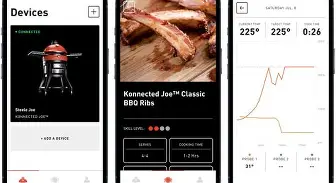
Real-World Use Cases
To understand the impact of switching, it is useful to look at specific scenarios where the technology changes the outcome of the meal.
The Weeknight Sear
In a traditional setup, lighting charcoal after a 9-to-5 workday can feel like a chore. With the Konnected Joe, you can hit the AFS button, set the temperature to 600°F, and by the time you have prepped your steaks and vegetables, the grill is ready. The digital readout tells you exactly when the grates are hot enough for a perfect sear, removing the "hand-over-the-coals" guessing game.
The Overnight Brisket
Low-and-slow cooking is where the Konnected Joe shines. Users often report that the most significant change after switching is the quality of their sleep. By setting the target temperature to 225°F and the meat probe alert to 203°F, the grill manages the fire throughout the night. If the fire starts to dip because of a change in ambient temperature, the fan automatically compensates. If the meat reaches the desired tenderness, the app notifies the user immediately.
The Social Barbecue
When hosting guests, a manual grill requires the cook to constantly slip away to check vents or move meat. The Konnected Joe allows the host to remain present in the conversation. The app provides a live feed of the cook's progress, turning the grill into a passive assistant rather than an demanding taskmaster. This shift from "active management" to "digital monitoring" is perhaps the most profound change for those who switch.
Nuances of Lump Charcoal Selection
When switching to a digitally controlled kamado, the quality of your fuel becomes even more important. Since a fan is regulating the fire, you want consistent, large-chunk lump charcoal. Small bits and "dust" at the bottom of a bag can clog the air holes in the fire grate, forcing the fan to work harder and potentially creating "hot spots." High-quality hardwood lump charcoal provides the best flavor and leaves the least amount of ash, which is critical for maintaining the accuracy of the internal temperature sensors. Many users find that while they spend more on premium charcoal, they use less of it because the ceramic's insulation and the digital fan's precision prevent the fuel from burning away needlessly.
Conclusion
Switching to the Kamado Joe Konnected Joe Grill represents a shift toward the future of outdoor culinary arts. It effectively dismantles the barrier between traditional charcoal flavor and modern digital convenience. What happens when you make the switch is a simplification of the complex variables that often lead to inconsistent barbecue. By automating the ignition and stabilizing the temperature through an integrated fan system, the grill allows the user to focus on the quality of the ingredients and the creativity of the recipe rather than the physics of airflow. While it introduces a dependency on electricity and a higher price point than basic models, the resulting consistency, moisture retention, and ease of use make it a compelling choice for the modern backyard chef. Whether you are searing at blistering heats or smoking for half a day, the transition to a connected ceramic system offers a level of control that was once unthinkable in the world of charcoal grilling.