Marshall Kilburn Iii vs Sharp 312 Soundbar Review: Performance, Price, and Verdict
I've been living with both the Marshall Kilburn III and the Sharp 312 soundbar for several months now, switching them in and out of daily use to make sure I could feel the differences rather than just look them up. One sits on my bookshelf as my go-to music speaker, and the other lives under the TV for movies and weekend streaming. What I found was that these two products approach sound from very different directions: one is a portable, characterful speaker that begs to be played with, and the other is a no-nonsense TV accessory optimized for clarity and convenience. Below I walk through my hands-on experience, what I liked, what annoyed me, and who each product is actually good for.
Introduction: Why compare these two?
On paper, they aren't a natural pair — the Kilburn III is a retro-styled portable Bluetooth speaker and the Sharp 312 is a budget soundbar — but I wanted to compare because many people, like me, consider both types of products when upgrading their living room sound. If you're deciding whether to invest in a stylish, versatile speaker you can also take outside, or a dedicated TV bar to improve dialogue and movies, this comparison is the one I ran for myself.
Marshall Kilburn III — My long-term impressions
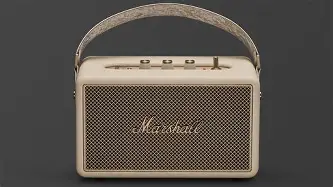
I've used the Marshall Kilburn III mostly for music listening in my living room and for a few outdoor gatherings. The first thing that hits you is the build: the leatherette, the textured grille, and the signature Marshall script — it's not just aesthetics; the unit feels solid and reassuringly heavy for its size. The physical control knobs on top are tactile and satisfying, and I liked turning the volume the old-school way rather than reaching for an app.
Sound-wise, the Kilburn III has a mid-forward presentation that makes vocals and guitars sound immediate and engaging. In my experience, acoustic and vocal-heavy tracks came alive; I often found myself listening longer than I planned because voices sounded natural and richly detailed. The treble is crisp enough to bring out cymbals and acoustic fingerpicking without becoming shrill at moderate volumes.
Where the Kilburn III struggles is bass extension. I noticed the bass is punchy for its size — it gives drums a snap — but it doesn't dig deep. For electronic music or bass-heavy house tracks, I found myself missing sub-bass rumble. If you're used to a large powered subwoofer at home, this won't replace that feeling. For casual listening and small gatherings it was fine; for head-banging dance parties, not so much.
Battery life for me averaged out to a full day of intermittent listening — in real use that meant somewhere around 15–20 hours on a charge depending on loudness, which matched my needs when I took it outside for an afternoon. Bluetooth pairing was straightforward and stable within my apartment; I did notice occasional dropouts at very long range or when walking between rooms with thick walls, but nothing catastrophic.
Other things I appreciated: the Marshall's EQ tuning feels intentionally musical rather than analytically flat, and the speaker's omnidirectional dispersion (it images nicely around the room despite being a single cabinet) made it pleasant to move around while listening. One thing that bothered me was the lack of a dedicated app for finer EQ control — you're mostly limited to the physical knobs and whatever EQ your phone provides. I also occasionally wished for a bit more separation when listening to complex mixes; stereo width is limited by the single compact enclosure.
Marshall Kilburn III — Pros & Cons
- Pros: Gorgeous, durable design; engaging midrange and vocal clarity; satisfying physical controls; good battery life for portable use; pleasantly musical tuning.
- Cons: Limited bass extension; no deep stereo soundstage compared to a two-speaker setup; occasional Bluetooth hiccups at extreme ranges; no advanced app-based EQ.
Sharp 312 Soundbar — My long-term impressions
The Sharp 312 soundbar sits under my TV and has been my companion for movies, news, and casual gaming sessions. Installation was as simple as it gets — plug-in and connect via HDMI ARC or optical (I used optical most of the time because my TV's ARC behaved inconsistently). The bar is unobtrusive: slim, low-profile, and designed to blend in with most TVs rather than become a centerpiece.
In day-to-day use, what I noticed right away was improvement in dialogue clarity. Voices in dramas and talk shows popped forward and were easier to follow without cranking the TV volume. For family movie nights, the soundbar created a wider front soundstage than the TV's speakers and made on-screen sounds feel less tinny.
However, like many compact soundbars, the Sharp 312 offers a compromise on bass. Without a dedicated external subwoofer, big explosions and low-end effects in action movies lacked the visceral weight I sometimes wanted. The simulated surround (if the bar advertises any sort of virtual widening) gave a modest sense of immersion, but it never fooled me into thinking the sound came from behind or the sides — it remained mostly front-focused.
Find top-rated Audio & Headphones products at great prices.
Browse Now →Controls are simple: a small remote and a few on-device buttons. The remote is functional but feels a bit flimsy; I occasionally misplaced it and wished for more tactile feedback. Bluetooth streaming from a phone worked fine for background music, but the bar truly shines when tied to a TV source. I also noticed an inconsistency in processing with some streaming apps — certain Dolby-coded content played back with less openness than expected, likely due to the TV-to-bar passthrough chain rather than the bar itself.
What I appreciated most about the Sharp 312 was the practical value. For the price I paid (I looked for affordable upgrades), it significantly improved everyday TV listening without fuss. What frustrated me was the sense that the product was engineered to be a compromise: good clarity and convenience, but not the configurable, expandable system some buyers may want.
Sharp 312 — Pros & Cons
- Pros: Clean, unobtrusive design; noticeably better dialogue clarity than built-in TV speakers; simple setup; suitable for small to medium living rooms; Bluetooth for music streaming.
- Cons: Weak low-end without a subwoofer; modest virtual surround effect; basic remote and limited customization; can be limited by TV audio passthrough fidelity.
Side-by-side comparison
Below is a practical comparison based on how I used both units over months. I focused on everyday factors that matter when choosing between a portable speaker and a soundbar.
| Marshall Kilburn III | Sharp 312 Soundbar | |
|---|---|---|
| Type | Portable Bluetooth speaker (retro styling) | Compact TV soundbar |
| Best for | Music lovers who want a stylish, portable speaker | TV viewers who want clearer dialogue and a simple upgrade |
| Portability | Yes — battery-powered, easy to move around | No — mains-powered, intended to stay by the TV |
| Sound signature | Mid-forward, musical, detailed vocals | Clear, front-focused, dialogue-first |
| Bass | Punchy but limited in sub-bass extension | Thin without a sub — good for dialogue, less for explosions |
| Inputs | Bluetooth (primary), auxiliary (varies by model) | HDMI ARC/optical/Bluetooth (depending on configuration) |
| Controls | Physical knobs, limited app control | Remote and basic on-device buttons |
| Aesthetics | Iconic, vintage rock-and-roll look | Low-profile, blends with modern TVs |
| Who should buy | People who value style and portability; listeners who favor vocals and guitars | People who want a simple TV audio upgrade with clearer dialogue |
Detailed performance notes
Music listening
When it comes to music, the Kilburn III is the winner in everyday enjoyment. I found myself reaching for it when playing new albums because the presentation felt warm and direct. It makes small ensembles sound engaging and was particularly rewarding when listening to indie folk, classic rock, and jazz. The Sharp 312 works for background music if you're watching TV or hosting, but it doesn't reward close listening to the same degree — its strengths are in clarity rather than character.
Movies and TV
Switching to movies, the Sharp 312 pulled ahead in my living room. Dialogue was clearer and more intelligible, which made TV shows and films more enjoyable without constantly adjusting volume. The Kilburn III could fill the room and add a vintage vibe to the soundtrack, but the lack of real low-end muscle made it less satisfying for blockbuster movies. If you watch a lot of dialogue-driven dramas or news, the soundbar provides more practical gains.
Gaming
I tried both with casual gaming. The soundbar's lower latency and direct TV connection gave a more consistent experience for single-player narratives and sports games. The Kilburn III translated game soundtracks beautifully but isn't ideal for positional audio or competitive play where precise directional cues matter.
Buying guide: Which should you choose?
Here are the real-world questions I asked myself before recommending one or the other, and how I answered them based on months of use.
1. Is portability important to you?
If you're someone who moves your speaker between rooms, takes it outside, or wants a social centerpiece, the Kilburn III wins. In my experience, the ability to pick it up and carry it to the balcony for an evening or to the kitchen while cooking made it earn its place in my life. The soundbar is stationary and best kept under your TV.
2. Do you care most about music quality or TV/dialogue clarity?
For music-focused use, the Kilburn III is more enjoyable and musical. For TV and movies where dialogue intelligibility is the primary goal, the Sharp 312 is the smarter choice.
Find top-rated Audio & Headphones products at great prices.
See Deals →3. How important is bass and impact?
Neither of these devices delivers earth-shaking bass on its own. If deep, room-shaking bass matters to you, you should be looking at either a soundbar bundle that includes a subwoofer or a dedicated speaker/sub setup. In my case, I accepted the limitation and sometimes supplemented each unit with a separate sub when I wanted that low-end — but that changes cost and complexity.

4. What inputs and compatibility do you need?
If you need HDMI ARC for advanced TV audio formats and want a simple TV-to-bar link, the Sharp soundbar is more TV-friendly. The Kilburn III is primarily Bluetooth for convenience; it's great for phones and laptops but less seamless for TVs that don't have good Bluetooth support.
5. What's your aesthetic and space?
If you want a speaker that looks like part of your living room décor and makes a statement, the Kilburn III fits. If you want the sound source to be discreet and not distract from the TV, the Sharp 312 blends in.
Price and value (practical perspective)
I focused less on sticker prices and more on what each product gave me for everyday living. The Kilburn III felt like an investment in enjoyment — it consistently made music sessions more fun. The Sharp 312 felt like pragmatic value: for the price it asks, it improved TV listening significantly. In other words, the Kilburn III rewarded emotional value, while the Sharp 312 delivered functional value.
Final verdict
After several months of alternating between these two pieces of gear, my recommendation is straightforward: if you want a portable, stylish speaker that makes music feel immediate and satisfying — buy the Marshall Kilburn III. You'll appreciate the build, the midrange richness, and the freedom to move the speaker around. If your priority is improving your TV setup — clearer dialogue, simpler setup, and a modest step up from the internal TV speakers — choose the Sharp 312 soundbar. It does exactly what a budget soundbar should: it makes TV watching less fatiguing and more pleasant.
One last honest note from my time with both: if you can, audition them side-by-side with your own content. I was surprised how differently the same song or movie felt on each device; context matters. The Kilburn III made me rediscover albums I thought I knew, while the Sharp 312 made my evening shows easier to follow and less dependent on closed captions. Both earned a place in my home for different reasons, and you may find you want one for music and one for TV if your budget allows.
In my experience, neither product is a perfect all-in-one solution — but each does a specific job very well. Choose based on what you actually listen to most, and you'll be happy with the outcome.