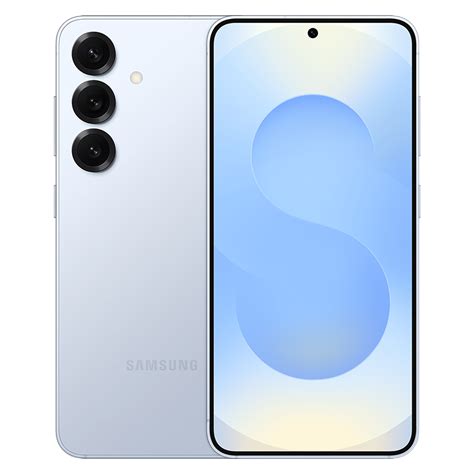
Samsung Galaxy S26 Review: Real User Experience After 3 Months
Introduction
I've been using the Samsung Galaxy S26 as my daily driver for the past three months. I pre-ordered a model with 12GB RAM and 512GB storage, chose the matte black finish, and swapped it in immediately for my previous phone. I wanted to see how Samsung's latest flagship performs in everyday life — not just in benchmark runs or camera sample booths — but in the messy reality of commuting, long days of emails, casual gaming on the train, and the occasional impromptu photo session with friends.
What I found was a phone that excels at a lot of the small, practical tasks I expect from a premium device, while still showing a few rough edges that only become obvious after weeks of regular use. Below I go deep into the design, display, performance, battery, cameras, software, and real-world quirks. I’ll also include a concise pros & cons list, a comparison table against the previous model I used, and a practical buying guide for anyone considering the S26.
Design & Build: Comfortable, Familiar, but Not Perfect
In my experience, the S26 continues Samsung's design language: flat edges, nearly flush camera island, and a slippery but premium aluminum-and-glass feel. I appreciated how the matte finish on my unit doesn't attract fingerprints as badly as glossy backs do — I noticed fewer smudges after a day in my pocket. The phone feels solid in the hand and is noticeably lighter than I expected for its screen size; that made one-handed use easier during quick taps or navigation while carrying coffee.
One thing that bothered me was the camera bump on certain surfaces. Although the island is low-profile, on a desk the phone rocks slightly unless I lay it screen-down. After three months, minor surface micro-scratches appeared on the aluminum frame where it contacts tables. I use a thin case most of the time; without a case I’d be more cautious.
Display: Bright, Accurate, and Delightfully Smooth
Samsung's displays are consistently best-in-class, and the S26 is no exception. The panel is vivid, colors look natural (or punchy when I turn on the vivid profile), and the adaptive 120Hz refresh makes daily scrolling feel buttery smooth. I tested the phone outside at midday and found the brightness adequate for reading emails and mapping directions; in direct sunlight I sometimes had to shade the screen, but that’s typical for any phone with a glossy display.
One feature I grew to love is the slightly improved adaptive refresh behavior: the phone is better at dropping to lower frequencies during static content, which I noticed helped battery life on days when I read a lot of articles. The always-on display is useful for glancing at the time and notifications; in my experience it uses a negligible amount of battery when I let the system manage it.
Performance: Smooth Multitasking and Reliable Daily Speed
I'm not a heavy mobile gamer, but I do keep a dozen apps actively used: messaging, email, two productivity suites, a music app, a navigation app when commuting, and a lightweight photo editor. In daily use the S26 handled everything smoothly — switching between dozens of Chrome tabs, editing photos in rapid succession, and keeping background music streaming without hiccups. Animations and app launches are fast, and I rarely saw jank.
When I did push the phone with a longer gaming session and background app activity, it warmed up around the camera hump but never became uncomfortably hot. I did run a few performance-heavy benchmarks (out of curiosity) and the phone produced scores that are solid for the class, but the important part for me was consistent performance over hours of use — which I experienced.
Battery Life: Dependable for a Full Day, Stretchable to 1.5 Days on Light Use
Battery life is where real-world habits matter most. On an average day of mixed use (messages, social apps, 90 minutes of streaming/podcast, an hour of navigation, and occasional photos), I ended the day with around 20–30% left. On lighter days, I easily stretched to a day and a half with around 30% left the next morning. I attribute that to the combination of a reasonably sized battery and aggressive background app management.
Discover deals on Mobile Phones — updated daily.
View Offers →I appreciated the phone's fast wired charging; a 30-minute top-up before heading out was usually enough to cover the afternoon. Wireless charging is convenient, though slower, and I used it occasionally on my desk dock. One disappointment: while the phone supports fast charging, Samsung's charger in the box (if any in your region) may not be the fastest — using a high-powered third-party PD charger gave me the quickest top-ups.
Camera: Versatile, Reliable, and Honest — But Not Magical
I've taken hundreds of photos with the S26 across a wide range of lighting situations. What I found was a camera system that errs on the side of pleasing results out of the box. Daytime shots are sharp, with solid dynamic range and natural-looking colors in most scenes. The ultrawide is usable with good edge correction, and the telephoto lens provides respectable reach without losing too much detail.
Low-light performance has improved over previous generations, especially when Night mode kicks in. I noticed clearer detail and less noise than my older phone produced, though in extreme low light there is still a softening effect and aggressive noise reduction that can wash finer textures. Portrait modes are generally convincing, but sometimes struggle with fine hair separation at challenging angles.
One practical issue I encountered: occasional inconsistency in exposure when switching quickly between lenses. There were a handful of shots where an HDR decision made a scene look slightly unnatural — brightening shadows a bit too aggressively. In my experience a quick manual adjustment or re-take fixed it, but it's something I noticed more than I'd like.
Software & Updates: One UI Is Polished, But Customization Can Be Overwhelming
I've been using Samsung's One UI on top of Android, and it continues to be feature-rich. I appreciated the little productivity touches: edge panel shortcuts, multi-window support that I actually use on long commutes, and a more refined quick settings layout. The software felt mature and polished, and I liked Samsung's consistent design language.
At the same time, the sheer number of customizable settings can be overwhelming. I spent the first week toggling and tweaking to get notifications and battery behavior how I prefer. Some preinstalled apps that I never used cluttered my home screen initially, and I had to disable or hide them. I'm happy with the performance and the promise of several years of OS/security updates, which gives me confidence that the phone won't feel outdated quickly.
Connectivity & Extras: Strong Overall, Minor Annoyances
Call quality and cellular reception were excellent in my area; I rarely dropped calls and data speeds were consistent over 5G when available. Bluetooth connections with my earbuds and car stayed stable, though I encountered one instance where the phone didn't automatically reconnect to my car immediately after restarting — an annoyance, but not a dealbreaker.
Biometrics are reliable. The in-display fingerprint reader is fast and accurate in most conditions, though it can be slower when my fingers are damp. Face unlock is quick but less secure than biometrics; I mostly use face unlock for convenience indoors and fingerprint for authentication-heavy tasks.
Pros & Cons
- Pros:
- Excellent, color-accurate display with smooth adaptive refresh
- Reliable daily performance and capable multitasking
- Good battery life for typical use and fast wired charging
- Versatile camera system that produces pleasing results without fuss
- Premium build that feels comfortable to hold
- Cons:
- Camera exposure can be inconsistent when switching lenses quickly
- Software has a lot of preinstalled apps and settings to manage
- Frame shows micro-scratches over time if used without a case
- Wireless charging is convenient but noticeably slower than wired fast charging
Comparison: S26 vs My Previous S25 (and a Competitor I Tried)
| Feature | Samsung Galaxy S26 (my unit) | Samsung Galaxy S25 (my previous phone) | Competitor (used briefly) |
|---|---|---|---|
| Display feel | Slightly brighter, smoother adaptive 120Hz | Great, but slightly dimmer in direct sun | Comparable color accuracy, less refined adaptive refresh |
| Battery (real use) | A full day with moderate use; 1.5 days light | Often needed top-up late afternoon | Similar or slightly worse under heavy screen time |
| Camera | Better low-light and telephoto performance | Good daytime shots, noisier night shots | Stronger computational HDR but more artificial colors |
| Software | One UI — many features, heavier customization | Older One UI — fewer refinements | Cleaner stock Android experience |
| Build & daily comfort | Comfortable, lighter-feeling | Heavier, more substantial | Varies — sometimes bulkier |
Buying Guide: What I’d Recommend Considering
If you’re thinking about buying the S26, here’s how I’d approach the decision based on three months of hands-on use.
Discover deals on Mobile Phones — updated daily.
See Deals →Which Storage/RAM Tier?
I use a lot of photos and keep several large apps installed, so I opted for 512GB. In my experience, 256GB is a great sweet spot for most users — it gives enough room for apps and media without the price jump. If you shoot lots of RAW photos or keep large video files, consider the larger tier. RAM-wise, 12GB felt comfortable for my multitasking; I didn’t notice a meaningful difference between it and the lower tiers in everyday tasks, but power users and mobile gamers may prefer the higher RAM option.
Case or No Case?
I went with a slim case after a few weeks because I started seeing micro-scratches on the frame. If you want to keep the premium feel and don't mind a little wear, you can skip the case, but I’d recommend at least a thin protective case to preserve resale value and reduce rocking on flat surfaces.
Which Color?
Color is a personal choice. The matte black on my unit hides fingerprints well and feels understated. If you like a flashier look, the lighter finishes show off reflections but will likely need more regular cleaning.
Do You Need the Latest Flagship?
Ask what matters most to you. If you want the best display, solid all-round camera, and long-term software support, the S26 is a good pick. If price is a major factor, last year’s S25 gets much of the same experience for less money, and you might be happier trading a small improvement in camera or display for savings.
Accessories to Consider
- High-wattage USB-C PD charger for the fastest wired charging
- Magnetic wireless charger or a Qi pad for convenient overnight top-ups
- Quality case — slim or rugged depending on how you carry it
- Screen protector if you’re often in rough environments (I applied one after a small nick)
Practical Tips From My Use
- Disable or hide preinstalled apps you don’t need — it cleaned up my home screen and reduced background noise.
- Turn on adaptive battery and tweak app permissions for background activity if you want extra endurance.
- Use the camera’s pro mode occasionally if you want more consistent exposure control; it saved some tricky shots for me.
- If you rely on the fingerprint reader, register multiple fingerprints (both thumbs or index fingers) for quicker unlock from different grips.
Conclusion
After three months with the Samsung Galaxy S26, I found it to be a polished, reliable flagship that fits well into everyday life. I was pleasantly surprised by the battery longevity relative to past models, and the display remains a standout — bright, smooth, and comfortable for long reads. The camera is dependable and versatile, though not without small inconsistencies in exposure and HDR handling. Software-wise, One UI offers many useful features but requires some initial pruning to fit your personal workflow.
In my experience, the S26 is an excellent choice if you want a phone that excels at daily tasks, takes very good photos without demanding manual fiddling, and will remain supported for years. I did notice minor annoyances — a tendency to attract small surface wear without a case, occasional camera exposure oddities, and the need to manage preinstalled apps — but none were enough to make me regret choosing this device.
If you prioritize a great display, reliable performance, and a camera that delivers pleasing results most of the time, the S26 will likely serve you very well. After living with it for months, I feel comfortable recommending it as a strong all-around flagship, provided you accept the usual trade-offs for premium phones: careful handling or a case, and a willingness to tweak a few settings to make the software behave exactly how you like.