Spec Battle: Iphone 17 Pro Max vs Samsung Galaxy S25 Ultra — Is It Worth Upgrading?
In the premium smartphone market, few matchups draw as much attention as Apple’s latest top-tier iPhone against Samsung’s best Ultra device. The Iphone 17 Pro Max and Samsung Galaxy S25 Ultra represent two different ideas of what a flagship phone should be. One leans heavily into ecosystem polish, video capture, battery optimization, and tight hardware-software integration. The other pushes screen sharpness, zoom versatility, stylus utility, and feature-rich customization.
For buyers considering an upgrade, the decision is rarely about raw specifications alone. It usually comes down to the things people notice every day: how long the battery lasts on a work trip, whether the camera handles moving kids and low light well, how readable the screen is outdoors, how convenient multitasking feels, and whether the phone still feels fast after a year or two.
This comparison takes a practical look at both devices, not just as spec-sheet champions, but as everyday tools. For users moving from an older Pro Max, older Galaxy Ultra, or even a standard flagship from two to three years ago, the big question is simple: is either phone worth the upgrade, and if so, for whom?
Quick Overview of the Two Flagships
The Iphone 17 Pro Max sits at the top of Apple’s phone lineup, offering a large 6.9-inch OLED display, the A19 Pro chip, premium materials, long battery life, and a camera system focused heavily on image consistency and best-in-class video. Apple also continues to build around on-device intelligence, privacy-focused features, and seamless integration with Mac, iPad, AirPods, and Apple Watch.
The Samsung Galaxy S25 Ultra answers with its own 6.9-inch display, a Snapdragon 8 Elite for Galaxy processor, high-resolution AMOLED panel, 200MP main camera, advanced zoom options, built-in S Pen, and Samsung’s increasingly mature AI and productivity tools. It remains one of the few phones designed to appeal equally to power users, mobile photographers, note takers, and multitaskers.
On paper, both look elite. In use, the differences become clearer.
Detailed Analysis: Design, Feel, and Daily Use
Iphone 17 Pro Max Design and Everyday Experience
Apple’s large Pro Max model continues to prioritize a clean, premium, unified design. It is still a big phone, and that matters. Buyers with smaller hands may find one-handed use difficult, especially when typing while walking or reaching for top-screen controls. However, for media consumption, reading, navigation, editing photos, and watching sports or streaming video, the extra screen space remains a major advantage.
The build quality is predictably excellent, with strong materials, high water and dust resistance, and a refined finish that feels expensive from the moment it is picked up. Apple’s strength is not flashy industrial experimentation; it is consistency. People upgrading from a three-year-old iPhone will immediately notice the improved display brightness, smoother responsiveness, and stronger sustained performance under heavier loads such as gaming, 4K video editing, and prolonged camera use.
In daily life, the Iphone 17 Pro Max is especially compelling for buyers who already use Apple services. AirDrop, iCloud Photos, FaceTime, password syncing, accessory pairing, and cross-device continuity reduce friction in ways that are hard to measure on a spec chart but easy to appreciate after long-term use.
Samsung Galaxy S25 Ultra Design and Everyday Experience
The Galaxy S25 Ultra takes a slightly different path. It feels more like a productivity-first flagship. Its built-in S Pen is not just a bonus feature; for the right buyer, it is a reason to choose Samsung outright. Anyone who signs PDFs, marks up screenshots, jots down quick ideas, or uses a phone for business tasks may find it genuinely useful rather than gimmicky.
Samsung’s design language remains premium and confident, with a lighter, slightly more technical feel in hand. The S25 Ultra is still a large phone, but it often feels a touch more purpose-built than lifestyle-oriented. Buyers who care about display sharpness, anti-glare performance, split-screen multitasking, and desktop-like flexibility will likely appreciate Samsung’s approach more than Apple’s.
Real-world use also favors Samsung for people who want deeper control over their device. Default app preferences, multi-window tools, stylus actions, widget flexibility, file handling, and customization all remain stronger on the Galaxy side.
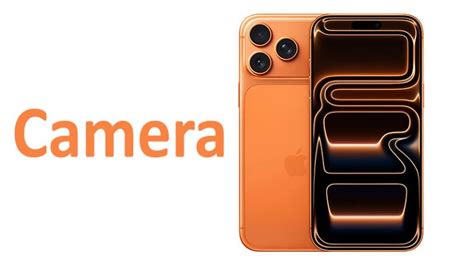
Display Quality: Brightness vs Sharpness
Both phones feature 6.9-inch adaptive refresh displays that can scale from very low refresh rates to 120Hz. That means scrolling feels smooth, animations are fluid, and battery use can remain efficient when the screen does not need to refresh constantly.
The Iphone 17 Pro Max stands out for brightness and overall display tuning. It is particularly strong outdoors, where glare and direct sunlight often expose weaknesses in otherwise excellent panels. For people who spend a lot of time checking maps, replying to messages, or shooting photos outside, that matters more than many spec comparisons admit.
The Galaxy S25 Ultra, meanwhile, pushes a sharper resolution and higher pixel density. Text looks incredibly crisp, fine details pop, and the panel has the kind of visual punch that Android power users often prefer. If the phone is used for reading, gaming, drawing, or viewing ultra-detailed images, Samsung’s display can feel more technically impressive.
Find top-rated Electronics products at great prices.
View Offers →For most typical buyers, both displays are excellent. The practical distinction is this: Apple prioritizes readability and balance, while Samsung emphasizes resolution and visual intensity.
Performance and Software Experience
Iphone 17 Pro Max Performance
Apple’s A19 Pro chip continues the company’s pattern of excellent single-core speed and efficient power management. In plain terms, that means the phone feels fast all the time, not just in short bursts. Opening apps, switching between heavy tasks, rendering video, processing photos, and handling advanced AI-assisted tasks all feel immediate.
For buyers who keep phones for several years, this matters. A phone that feels excessive in year one often feels comfortably current in year three. Apple’s history suggests that the Pro Max line generally ages well in performance terms, especially if the user is deeply invested in the iOS ecosystem.
iOS remains simpler, more predictable, and more uniform than Android. That is either a benefit or a limitation depending on the buyer. Those who want a clean experience with fewer variables will likely prefer it. Those who want freedom and deeper control may not.
Samsung Galaxy S25 Ultra Performance
The Galaxy S25 Ultra is exceptionally fast in real-world use. App launches, gaming, multitasking, stylus functions, AI features, and desktop-style workflows all perform at a flagship level. Samsung has also improved software longevity, which helps justify the premium price for buyers who do not want to replace their phone every two years.
Where Samsung often shines is flexibility under mixed use. Someone can run navigation, music, messaging, cloud documents, and picture-in-picture video while jumping into note-taking with the S Pen. That kind of workflow is where Ultra devices tend to feel less like oversized phones and more like compact productivity machines.
Samsung’s One UI also offers more options, though that comes with a bit more complexity. Some users love that. Others simply want less to manage.
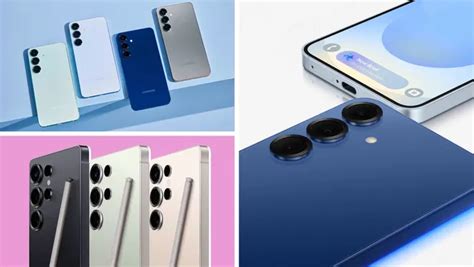
Camera Battle: Video King or Zoom Champion?
This is where many upgrade decisions are made.
The Iphone 17 Pro Max continues Apple’s strength in camera consistency. It is often the easier phone for point-and-shoot reliability, especially when capturing people, skin tones, motion, and video. Parents recording children indoors, creators filming handheld clips, travelers shooting city scenes at dusk, and professionals who value dependable color science will likely appreciate Apple’s approach.
Apple’s video advantage remains especially important. Stable footage, smooth exposure transitions, strong audio capture, and pro-grade recording features make the Pro Max a strong choice for people who shoot social media clips, travel videos, interviews, or short-form content directly from a phone.
The Samsung Galaxy S25 Ultra takes a broader camera approach. Its 200MP main sensor and more aggressive zoom system give it clear appeal for users who want flexibility. Concert photography, distant landmarks, wildlife at a park, sports events from the stands, and architectural details are all situations where Samsung’s zoom capabilities stand out.
Samsung often delivers more dramatic-looking photos straight out of the camera, with punchier detail and greater range options. Apple usually aims for more natural consistency. Neither philosophy is universally better. It depends on what the buyer actually shoots.
If the phone is mainly used for video, family moments, and social content creation, Apple has the safer advantage. If it is used for travel zoom, distant subjects, and camera versatility, Samsung is often the more exciting tool.
Battery Life and Charging
Battery life is one of the most important upgrade reasons for people coming from older flagship phones. A phone can still feel fast after two years, but weak battery endurance changes daily behavior in frustrating ways.
Shop the latest Electronics picks on Amazon.
View Offers →The Iphone 17 Pro Max appears to hold a slight edge in overall endurance. For many users, that translates to better confidence on travel days, long commutes, conference attendance, or weekends full of camera use. Apple’s strength here is not only battery size but efficiency: the balance between processor, software, and display tends to work in its favor.
The Galaxy S25 Ultra still offers strong all-day battery life, and for many heavy users it will be more than sufficient. Samsung also remains competitive in charging speed, which matters for people who prefer quick top-ups throughout the day rather than one overnight charge.
In practical terms, buyers who hate battery anxiety may lean slightly toward the iPhone, while buyers who value faster charging behavior may appreciate Samsung more.
Pros and Cons
Iphone 17 Pro Max Pros
- Excellent battery life for heavy daily use
- Top-tier video recording with reliable stabilization and color consistency
- Very fast and efficient performance that should age well over time
- Bright, polished display that performs well outdoors
- Deep ecosystem integration for users with Mac, iPad, Apple Watch, or AirPods
- Higher storage ceiling for users who shoot lots of video or keep large local media libraries
Iphone 17 Pro Max Cons
- Large and heavy for one-handed use
- Less flexible software experience than Samsung’s Android implementation
- Zoom flexibility trails Samsung for long-distance shooting
- Premium pricing remains high, especially at higher storage tiers
Samsung Galaxy S25 Ultra Pros
- Outstanding zoom capabilities for travel, events, and distant subjects
- Sharp, high-resolution display with excellent visual detail
- Built-in S Pen adds real productivity value for many users
- Strong multitasking and customization for power users
- Very capable all-around camera system with broad creative flexibility
- Long software support window improves long-term value
Samsung Galaxy S25 Ultra Cons
- Camera processing can be less consistent than Apple in some everyday scenarios
- Video performance still trails Apple for many creators
- Feature-rich software may feel busy for users who prefer simplicity
- High launch price remains a barrier despite strong hardware
Comparison Table
| Feature | Iphone 17 Pro Max | Samsung Galaxy S25 Ultra |
|---|---|---|
| Display Size | 6.9-inch OLED | 6.9-inch AMOLED |
| Refresh Rate | 1Hz to 120Hz adaptive | 1Hz to 120Hz adaptive |
| Resolution Focus | Brightness and balance | Higher sharpness and pixel density |
| Processor | A19 Pro | Snapdragon 8 Elite for Galaxy |
| Battery Reputation | Slight edge in endurance | Strong all-day life with competitive charging |
| Camera Strength | Video, consistency, color accuracy | Zoom, detail, shooting flexibility |
| Special Feature | Apple ecosystem and pro video tools | S Pen and advanced multitasking |
| Best For | Creators, Apple users, battery-focused buyers | Power users, travelers, zoom photographers, note takers |
Buying Guide: Who Should Upgrade?
Upgrade to the Iphone 17 Pro Max if:
It makes the most sense for buyers who already use Apple products and want the least friction in daily life. It is also a very smart choice for content creators, parents who record lots of family video, business users who need dependable battery life, and anyone coming from an older iPhone who wants a major jump without relearning the mobile experience.
For users coming from an iPhone 14 Pro Max or older, the upgrade is easier to justify. The improvements in battery, display brightness, processing efficiency, and camera capabilities are meaningful enough to feel substantial. For users already on a 16 Pro Max-class device, the case is less obvious unless video tools, storage expansion, or battery gains are especially important.
Upgrade to the Samsung Galaxy S25 Ultra if:
It is the better choice for buyers who care about zoom photography, note-taking, multitasking, and having more control over how the phone behaves. People who use their phone almost like a mini tablet, frequently work on the go, or want one device that can handle both productivity and creative flexibility may get more value from Samsung’s approach.
For users coming from an older Galaxy Ultra, especially models two or more generations back, the upgrade can be worthwhile because the overall package is more refined, more powerful, and more durable in long-term use. For those already on a recent Ultra, the upgrade is best justified if the S Pen workflow, display refinements, and camera flexibility are central to daily use.
Who Should Wait?
Not everyone needs to upgrade. Buyers still happy with a recent flagship’s speed, camera quality, and battery life may be better off waiting another cycle. This is especially true for casual users who mainly browse, message, stream video, and take occasional photos. These premium phones deliver their best value when their specialized strengths are actually used.
In other words, a buyer paying top-tier prices should know what problem the upgrade solves. Better battery? Stronger video? Better zoom? More productivity? A sharper display? If none of those feel urgent, waiting may be the smarter decision.
Final Verdict
The Iphone 17 Pro Max and Samsung Galaxy S25 Ultra are both exceptional flagship phones, but they do not win in the same ways. Apple offers the more polished, reliable, creator-friendly experience, with especially strong battery life, performance efficiency, and video capture. Samsung offers the more feature-rich and flexible device, with better zoom, sharper display output, true stylus functionality, and stronger appeal for multitaskers.
For many buyers, the smartest answer is not which phone is “better” in the abstract, but which one fits daily habits more closely. The Iphone 17 Pro Max is the better upgrade for users who value simplicity, battery confidence, and top-tier video in a tightly connected ecosystem. The Galaxy S25 Ultra is the better upgrade for users who want versatility, productivity tools, camera reach, and deeper customization.
If the upgrade decision is purely practical, Apple has the edge for consistency and ease, while Samsung has the edge for capability and flexibility. Both are worth upgrading to from older premium phones, but only when their strengths match what the buyer actually cares about most.